A tight deadline, a house move, a period when everything comes at once – and suddenly there's that unsettled skin too. That's no coincidence and no imagination: the connection between your mind and your skin is very real. Stress works through hormones on almost every system in your body, and the skin – your largest organ – takes full part in that. We explain what happens, how to recognise it and what you can do about it in practice.
What stress physically does to your skin
With ongoing stress your body produces more cortisol – the best-known stress hormone. Cortisol has several effects you can see on the skin: it can increase sebum production (so blemishes appear more quickly), it slows down the skin's ability to recover, and it can make existing skin conditions such as eczema, rosacea or psoriasis flare up.
Then there is indirect damage: in stressful periods we sleep worse, eat more convenience food, and the skincare routine is the first thing to go. The skin takes a double hit – from the inside and from neglected maintenance.
How to recognise a 'stress skin'
A period of ongoing tension can show on the skin as:
More blemishes or spots than you are used to
A dull, sallow or tired complexion
Skin that reacts more quickly with irritation or redness to products you've always used
Existing conditions such as eczema flaring up
Dry, tight patches because of a disturbed skin barrier
Sleep: the underrated skin medicine
Stress and poor sleep reinforce each other – and it is precisely during deep sleep that the skin repairs and renews itself the most. Anyone who structurally sleeps too little often sees it in their skin first: a grey complexion, bags under the eyes and skin that recovers more slowly. Working on your sleep is also working on your skin.
What you can do in practice
Eliminating stress completely isn't possible for anyone, but you can reduce its impact on your skin:
Keep your skincare routine simple but standing, especially in busy periods – three steps that happen daily beat ten steps that fall by the wayside
Exercise regularly: it's one of the most effective ways to break down stress hormones
Guard your sleep: a fixed rhythm and screen-free last hours do a lot
Deliberately plan moments for yourself – small and achievable works better than big and rare
Be gentle with your skin: this is not the time for aggressive new products or experiments
A treatment as a moment of calm
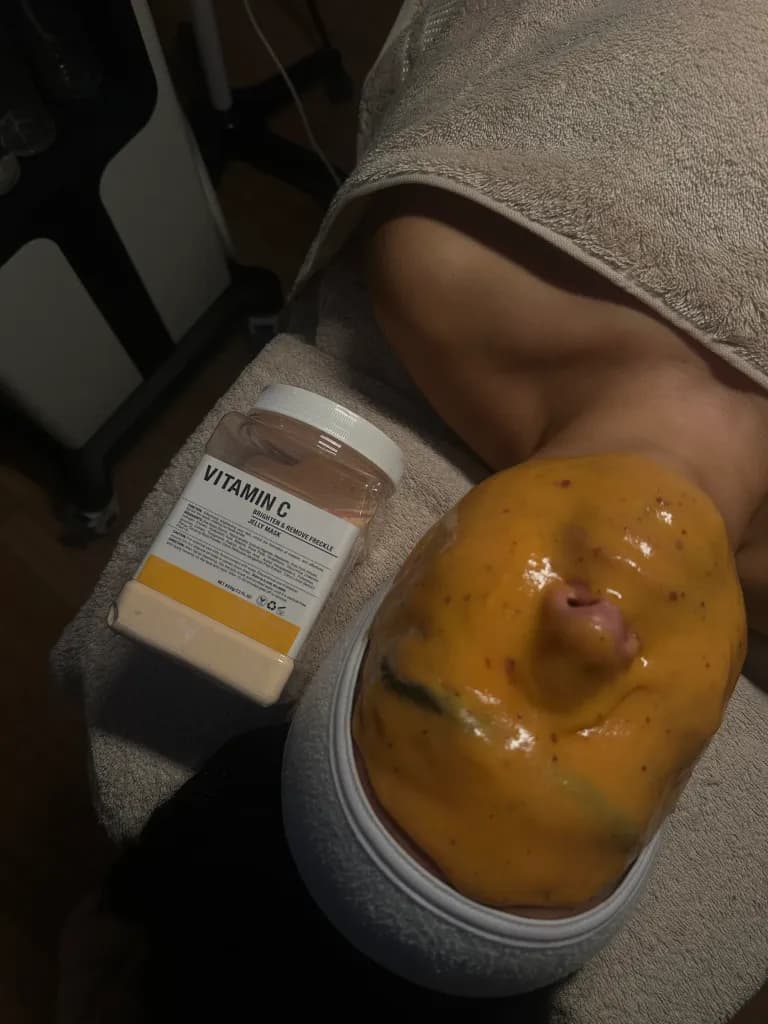
A facial is doubly valuable in stressful times: your skin gets professional attention at the moment it needs it most, and you get an hour in which absolutely nothing is asked of you. Many clients book a treatment as much as a moment for themselves as for their skin – and honestly, that is exactly what it is for.
Your skin and your wellbeing are more closely connected than you think – caring for one is caring for the other. Notice a busy period leaving its traces on your skin? Give yourself a moment of calm; we'll gladly look with you at what your skin needs right now.