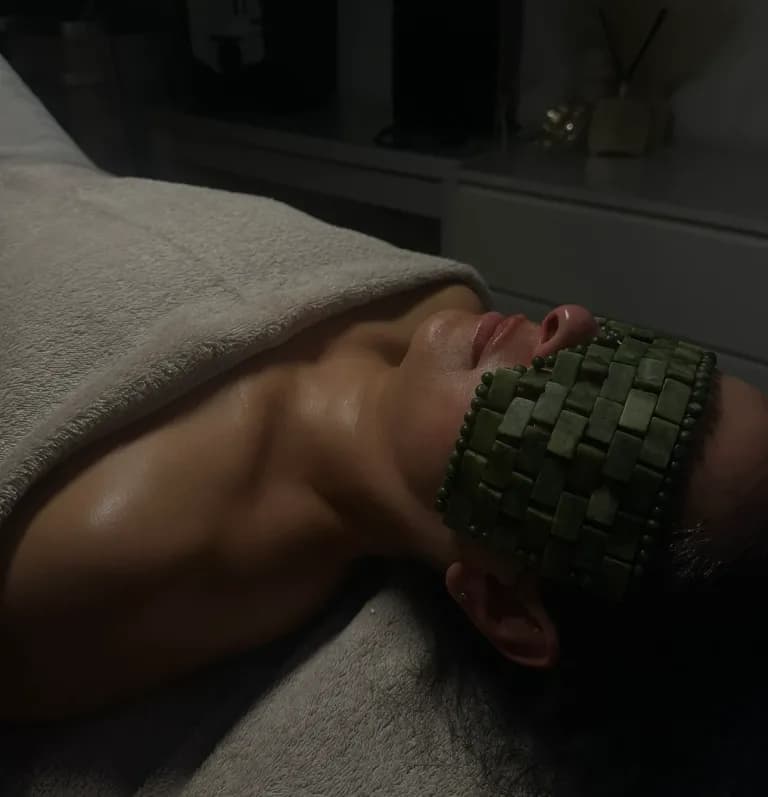
With the best of intentions you can still work against your skin instead of helping it. During intakes we see the same patterns again and again: routines that are too intensive, products that don't suit the skin type, or habits people don't realise are straining their skin. The good news: almost all of these mistakes are easy to fix once you know what to look out for. We list the eight most common.
1. Exfoliating too often or too aggressively
A scrub or peel gives an instantly fresh feeling, which makes it tempting to do it (too) often. But if you scrub daily or combine several exfoliants, you damage the skin's protective barrier. The result is exactly the opposite of what you want: redness, tightness, sensitivity and often even more blemishes, because the skin gets out of balance.
For most skin types, exfoliating once or twice a week at home is plenty. If you want to work deeper, have it done professionally from time to time – a peel in the salon is matched to what your skin can handle.
2. Too many active products at once
Retinol, vitamin C, acids, niacinamide – each a valuable ingredient, but crammed together into one routine they are a recipe for irritation. The skin becomes overstimulated and reacts with redness, burning or flaking. More really isn't better here.
So build up active ingredients slowly: introduce one new product at a time, start with a few times a week, and watch how your skin reacts for two to four weeks before adding anything else.
3. Skipping SPF
The most important step, and the one most often skipped. Daily sun protection is the most effective way to stay ahead of premature skin ageing and pigmentation spots – we wrote a full article about it. The short version: every morning, all year round, even when it's cloudy.
4. Sleeping in make-up
After a long day it's tempting to skip cleansing, but make-up, sebum and pollution that stay on the skin all night contribute to clogged pores, a dull complexion and unsettled skin. One night is no disaster – as a habit it undermines every routine. If need be, keep cleansing wipes next to your bed for the evenings when you really can't manage it; not ideal, but always better than nothing.
5. Picking at blemishes
Squeezing spots yourself feels like a quick fix, but it often pushes inflammation deeper into the skin and increases the risk of little scars and pigmentation marks that stay visible much longer than the spot itself. Leave the removal of blemishes to a professional – it's no coincidence that it is a fixed part of our facials.
6. Cleansing and showering too hot
Hot water feels lovely, but it washes away your skin's natural, protective oils. Especially in combination with foaming cleansers, that dries the skin out considerably. Cleanse your face with lukewarm water and keep hot showers short – your skin will thank you.
7. Wrong products for your skin type
A rich cream that rescues dry skin can clog oily skin. A mattifying gel that keeps oily skin in balance leaves dry skin feeling tight. Many routines don't fail because the products are bad, but simply because they don't suit the skin type.
Not sure what your skin type is? During our free intake we analyse your skin and you get honest advice on which products and treatments suit it – without a sales pitch.
8. Expecting results too fast and constantly switching
Skin cells renew themselves in a cycle of roughly four to six weeks. If you switch products every two weeks because 'it isn't working', you never give your skin the chance to show what a routine really does – and you also run a greater risk of irritation from all that switching. Give a new routine at least six to eight weeks, and only then judge the result honestly.
Do you recognise yourself in one or more of these mistakes? Don't worry: almost everything can be fixed with a few simple adjustments. Not sure about your own routine, or want to know where your skin can gain the most, quickest? Have your skin assessed with no obligation during a free intake.